 Shell vs Insulated Jacket: How to Choose the Right Jacket
Shell vs Insulated Jacket: How to Choose the Right Jacket
Posted
by
Bianca Chang
on Tuesday, June 24, 2025
Whether you’re gearing up for your first ski season or looking to upgrade your outerwear, choosing between a shell jacket and an insulated ski jacket is important in choosing your gear. The right ski jacket is crucial for keeping you warm, dry, and comfortable on the mountain, regardless of the conditions.
We’ll break down the differences between shell vs. insulated ski and snowboard jackets so you can choose the right jacket for you.
What Is a Shell Jacket?
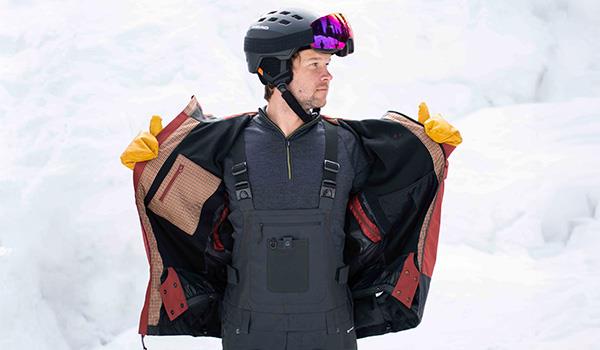
A shell jacket is a lightweight outer layer designed to protect you from wind, snow, and rain without any built-in insulation. Shells are typically waterproof, windproof, and breathable, making them ideal for skiers and snowboarders who prefer the mobility and versatility in any weather condition.
The key to skiing and snowboarding in a shell jacket is layering. Shell jackets make it easy to add or remove layers depending on the conditions, making them a great choice in fluctuating temperatures or high-intensity activities, like backcountry skiing.
Pros of Shell Jackets:
- Lightweight and breathable
- Excellent for layering
- More mobility
- Easily adapt for warmer days or high-intensity activities
What Is an Insulated Ski Jacket?
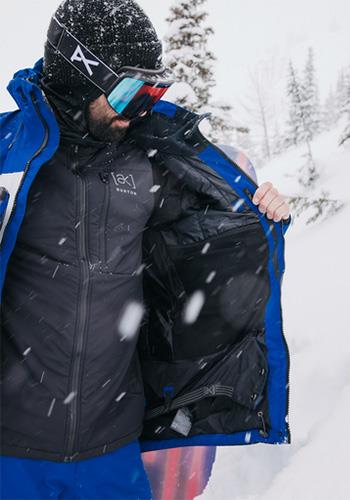
Like the name suggests, an insulated jacket has built-in insulation to keep you warm. They are typically made of down or synthetic insulation and are ideal for cold-weather resort skiing, where you want warmth without needing to wear multiple layers underneath.
Insulated jackets are often a go-to for skiers and snowboarders who want simplicity and comfort in cold temps. The downside to insulated jackets is that they’re bulkier than shells. Some insulated jackets have different types and amounts of insulation throughout the jacket, with more insulation at the core and less in the arms, to cut down on bulk and provide warmth right where you need it.
Pros of Insulated Jackets:
- Requires fewer layers to stay warm
- Great for cold ski resorts
Deciding Factors:
As you’re deciding between a shell or insulated jacket, consider where you tend to ski, your activity level, and your personal preferences.
- Where You Ski: When choosing between a shell and an insulated jacket, think about where you plan on skiing. If you plan to stay on resort and ski in an area that is consistently cold, an insulated jacket is perfect for providing the warmth you need without too many layers. If you like to ski on resort and also explore the backcountry, consider a shell jacket that’s easy to swap out layers depending on the conditions. Also, if you ski in an area with milder spring conditions, opting for a shell jacket makes it usable all season long without getting too hot.
- Activity Level: If you’re planning on ski touring and exploring the backcountry, a shell jacket is the better option. High-output activities, like boot packing and skinning, mean your body generates more heat and sweat. Sweating when you’re outside in the winter can be dangerous because it can cause you to lose heat quickly, making it difficult to get warm. Shells let you layer smartly and vent easily, so you can regulate your body temp and prevent moisture from building up.
- Personal Preferences: Choosing between a shell and an insulated jacket also comes down to personal preference. If you prefer more mobility, consider a shell jacket for added flexibility. If warmth is your main priority, try an insulated jacket.
Additional Features:
Helmet-Compatible Hood: A hood that fits over your ski helmet is always a bonus feature. On super cold and snowy days, it keeps the wind off your neck and snow from getting into your jacket. Some jackets have removable hoods, which makes things less bulky on days when you don’t need them.
Pockets and Interior Storage: Also, consider the number and size of the pockets a jacket has. A small zipper pass pocket in the sleeve is super helpful for keeping your lift ticket in a convenient spot without the fear of losing it in a larger pocket. Larger interior pockets are ideal for your phone, a snack, or other items you might bring with you while skiing.
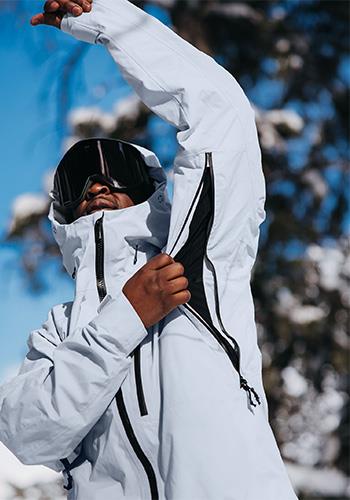
Ventilation: Most ski jackets have underarm ventilation or a main zipper vent for you to quickly drop heat if you get too warm. This is important during high-intensity activities or if you tend to overheat.
Final Thoughts
Both shell jackets and insulated ski jackets have their place on the mountain. If you value flexibility, versatility, and plan to ski in a variety of conditions—including warmer spring days or backcountry terrain—a shell jacket gives you all-season adaptability. If you mostly ski in cold resort conditions and want maximum warmth with minimal layering, an insulated ski jacket is a solid choice.
At the end of the day, the best ski jacket is the one that keeps you comfortable, dry, and ready to chase more turns—no matter what Mother Nature throws at you.
Categories:
Ski and Snowboard Outerwear
Tagged: Dress for Winter, How To Choose, Jacket, Clothing